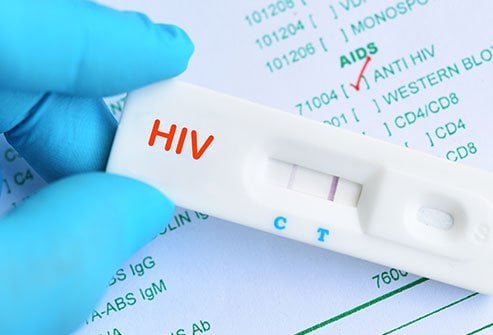
The AIDS Healthcare Foundation (AHF) says women and girls account for more than 60 percent of new HIV infections in sub-Saharan Africa.
In a statement on Sunday, AHF said it stands in solidarity with women and girls globally, calling for stronger action to address inequalities affecting their health, safety and economic opportunities.
Echey Ijezie, country programme director of AHF Nigeria, said the organisation would commemorate International Women’s Day with advocacy activities across several states.
According to Ijezie, the programme will take place on March 9 in the Federal Capital Territory (FCT) and six states, including Akwa Ibom, Anambra, Benue, Cross River, Kogi and Nasarawa.
He said that despite decades of progress in global health, women and girls remain disproportionately affected by HIV and other structural inequalities.
“When women thrive, we all rise. Despite decades of progress, women and girls remain disproportionately impacted by HIV/AIDS, particularly in sub-Saharan Africa, where they account for more than 60 percent of new HIV infections,” Ijezie said.
“Globally, gender-based violence, lack of access to healthcare, reproductive rights restrictions, income inequality, and limited educational opportunities further entrench disparities.”
He added that millions of women and girls also lack access to affordable menstrual health products and comprehensive sexual and reproductive health education, affecting their dignity, mobility and opportunities.
“We must remind leaders, policymakers and communities that ‘Give To Gain’ emphasises the power of reciprocity and support,” he said.
“When individuals, organisations and communities give women and young girls the opportunities and support they deserve, the whole community thrives.”
Ijezie said AHF Nigeria will organise a continuous medical education (CME) programme for health workers in over 156 healthcare facilities where the organisation provides services across the seven states.
He said the training would focus on the gender dimensions of the HIV/AIDS epidemic and strategies to support women, particularly those living in rural communities.
“We place enormous value on women and girls in the society, and it is the reason why our programmes are anchored around impacting women and young girls,” he said.
The organisation added that it will continue to advocate policies that protect women and girls while expanding access to HIV services.
Share this content: