In Calabar South’s Constituency 2, residents say years of filtered access to elected representatives have left roads flooded, clinics understocked and youth voices sidelined. A new unscripted, open media chat is promising to tear down those barriers.
When the rainy season hits Calabar South’s Constituency 2, Affiong Edet knows to move her afang soup stall an hour early to avoid the floodwaters that pool for days across the potholed Watt Market access road.
For six years, the 62-year-old trader says she passed messages about the broken drainage, non-functional street lights and understaffed Mbukpa primary health centre up a familiar, frustrating chain: her market women’s association leader, to the ward party chairman, to a legislator’s personal assistant. She never once got a direct reply, let alone action.
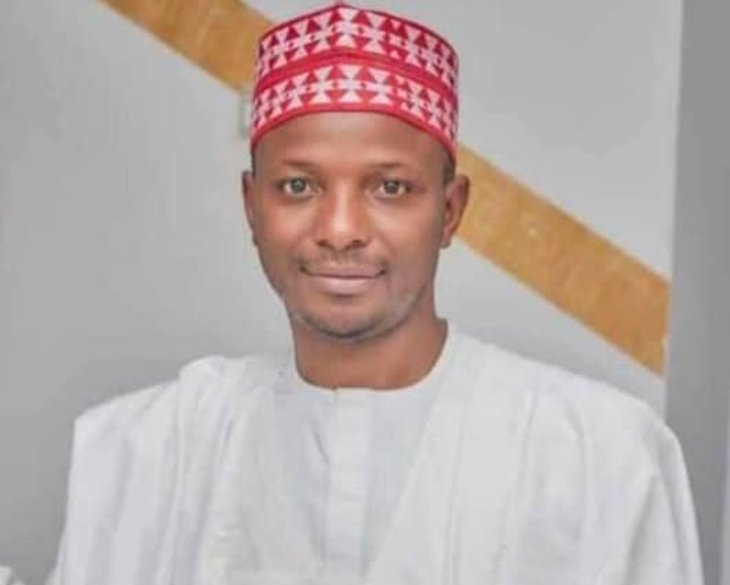
That is why news of an upcoming open media chat with Barrister Ene Anam, a Calabar-based legal practitioner and long-time community advocate, has spread fast across the constituency’s dense network of neighbourhoods, market stalls and waterfront fishing communities.
Announced this week by the civic group Constituency 2 First, People Always Initiative in partnership with the Azuma community collective, the event carries a blunt, uncompromising theme: “Let’s Do It Together No Gatekeepers.” Unlike most political and community forums in the state, where questions are pre-vetted, front seats are reserved for party elites and members of the public are often held back by security details, organizers promise the event will be entirely unfiltered.
The format is deliberately radical for a region where political access has long been treated as a privilege, not a right.
Any resident from University of Calabar students at the nearby campus annex, to commercial motorbike riders, artisan groups and elderly residents of the riverside fishing communities will be able to ask unscripted questions on any topic related to the constituency’s future.
No questions will be screened in advance. No political office holders or party leaders will get priority access to the microphone. The event will be streamed live across local radio and social media platforms, with dedicated phone lines for residents who cannot attend in person to call in directly.
A final date and central, fully accessible venue will be announced in the coming week, per organizers.
“For too long, our people have been treated as afterthoughts in the decisions that shape their daily lives,” Barr. Anam told the YEYENEWSBLOG ahead of the launch.
“The gatekeepers the aides who refuse to pass on critical messages, the brokers who demand payment before you can speak to someone in power, the people who tell you ‘wait your turn’ when your community is suffering they have never served us. This chat is not a long speech from a podium. It is the start of a conversation to build a shared vision for this constituency, together. If someone wants to criticize past efforts, ask hard questions about concrete plans, or share an idea no one in power has thought of yet, they will have the floor. There will be no filters.”
Stretching from the bustling lanes of Watt Market through the historic residential neighbourhoods of Henshaw Town and down to the creekside settlements home to thousands of small-scale fishing families, Constituency 2 is one of Cross River’s most diverse urban constituencies.
A 2023 post-election survey by the Center for Democracy and Development found that 82 per cent of residents in the area reported never having had a direct conversation with their elected state legislator, despite consistent voter turnouts above 60 per cent in state and national elections.
Most said their only interactions with political figures came during election season, when campaign teams distributed rice and branded materials before disappearing for years at a time.
That legacy has left many residents cautious, but hopeful.
“We have heard politicians say ‘we are one family’ many times before,” said Daniel Ekpo, 29, a youth organiser in Henshaw Town who has spent years advocating for public youth employment schemes in the area.
“What makes this different is the promise that there are no gatekeepers. We are not coming to take handouts. We are coming to ask specific questions: what happens to the young people here who cannot afford university fees? Why does our primary school not have enough desks for pupils? If that promise holds, it will set a new standard for every person who wants to represent us in future.”
Organizers say they have deliberately structured the event to reject the usual trappings of political gatherings. There will be no paid crowds, no branded campaign materials distributed, no long opening speeches from invited dignitaries.
Seating will be first-come, first-served, with ordinary residents prioritized over elite guests. While there has been widespread public speculation that Anam may declare a run for the constituency’s State House of Assembly seat in the 2027 polls, event coordinators stress the forum is not a campaign rally.
It is, they say, a deliberate return to the most basic promise of democratic governance: that the people most affected by policy should be the first to have a say in shaping it. Across Nigeria’s South-South region, similar models of unfiltered community engagement have begun to gain traction, as younger voters increasingly reject decades of top-down politics that prioritised elite deals over community needs.
In neighbouring Akwa Ibom and Rivers states, candidates in the 2023 elections who hosted regular unscripted town halls saw unexpected wins, even against better-funded opponents who relied on traditional, patronage-driven campaign tactics.
For Edet, who says she plans to arrive at the venue hours early to get a seat, the promise of direct conversation is enough to warrant the trip.
“I am going to wear my best George wrapper, and I am going to ask about that drainage that floods my stall every rainy season,” she said, laughing as she arranged bowls of fresh afang leaves on her wooden stall.
“I am not going through any chairman, any assistant, any middleman. If he is ready to listen, we are ready to work with him. If he is not, we will tell him that to his face, too. That is how it is supposed to be, isn’t it? No one knows what our community needs better than the people who live here.”
Organizers say details of access for people living with disabilities, live Efik translation for elderly residents, and free transport for community members from the most remote creekside parts of the constituency will be released alongside the formal event date in the coming days.
Share this content: